Boletes (pores under the cap)
Summer cep
Boletus reticulatus · also known as: Summer bolete, Summer king bolete
Edible
Highly prized, close to the porcini in taste and aroma; Polish foragers count it among the “prawdziwki” (true ceps). It appears earliest of the boletes (already in May).
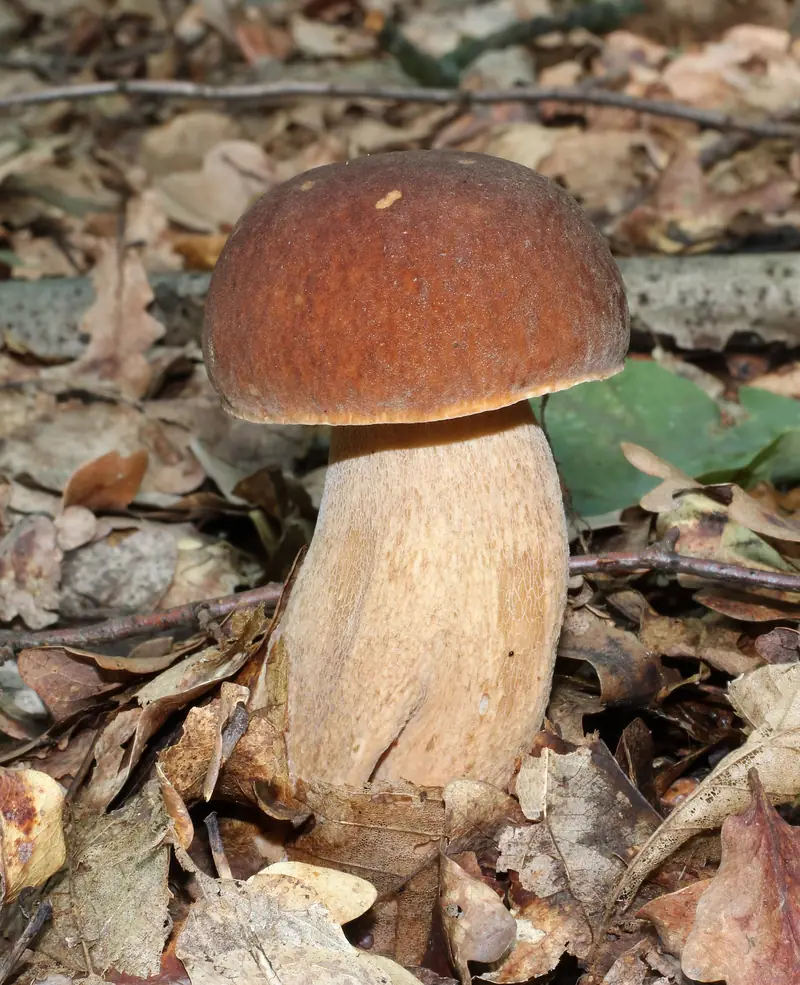
How to recognise it: summer cep
- 1
Suede-like, matt cap, cracked in dry weather
- 2
Network paler than the background, usually over the whole stem
- 3
Pores white → yellow → olive, unchanging when pressed
- 4
Fruits early (from May), under oaks and beeches
Description
- Cap
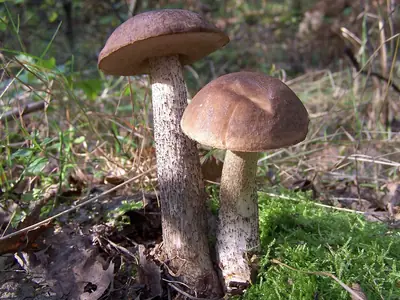
- Large, 6–25(30) cm, light or grey-brown, ochre; surface matt, finely suede-like, cracking into patches in dry weather.
- Tubes and pores
- Tubes white, then yellow to olive-green; pores fine, do not change colour when pressed.
- Stem
- Light brown or grey-brown, covered over all or most of its length with a raised, paler (white, later brownish) network; barrel-shaped when young.
- Flesh
- White, firm when young, later spongy, brownish under the cuticle; does not change colour.
- Smell and taste
- Smell pleasant, dried mushroom intensely aromatic; taste mild, nutty.
Where and when it grows
Warm broadleaf and mixed forests, parks, pond banks; on near-neutral soils. More common in the lowlands than in the mountains.
Most often with: oak, beech, hornbeam, lime
Look-alikes: what it can be mistaken for
Bitter bolete Inedible medium risk
The bitter bolete (called “szatan”, “satan”, in Polish) is very similar, especially when young with white pores. Differences: the bitter bolete has a distinct, dark brown, wide-meshed network on the stem, pores that turn pink with age, a pink spore print and an extremely bitter taste (touch a tiny piece with your tongue and spit it out). It is not dangerously poisonous, but a single fruit body ruins the whole dish. On the bitter bolete the network is darker than the stem, on the summer cep it is paler.
Porcini Edible low risk
The porcini has a smooth, not suede-like cap and a network mainly on the upper part of the stem. Both are edible.
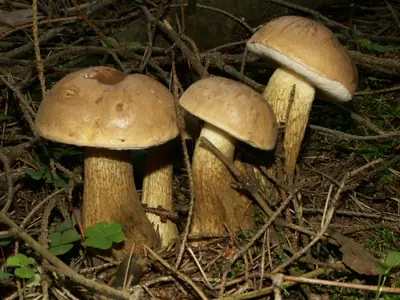
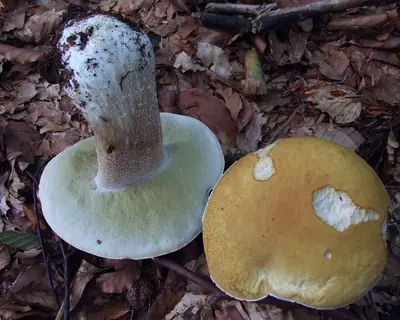
Foragers’ finds
All photosPhotos and identifications are added by users; we do not check them. Add your own find →
In the kitchen
Like the porcini: drying, soups, sauces, frying, pickling. Older fruit bodies have spongy flesh.
Protection and sale
- Species protection: the species is not protected.
- Sale: there is no clear entry for it on the list of mushrooms approved for sale. Not listed separately on the Ministry of Health (MZ) list. The list includes “borowik szlachetny (prawdziwek – all varieties)”, and grzyby.pl states that all varieties of prawdziwek (including the summer cep) are permitted – formally, however, it is now a separate species, so its status remains ambiguous.
Summer cep: common questions
Is the summer cep edible?
Edible. Highly prized, close to the porcini in taste and aroma; Polish foragers count it among the “prawdziwki” (true ceps). It appears earliest of the boletes (already in May).
When does the summer cep grow?
In Poland the fruiting bodies usually appear in: May, June, July, August, September, October. Habitat: Warm broadleaf and mixed forests, parks, pond banks; on near-neutral soils. More common in the lowlands than in the mountains.
What can the summer cep be mistaken for?
Bitter bolete (inedible): The bitter bolete (called “szatan”, “satan”, in Polish) is very similar, especially when young with white pores. Differences: the bitter bolete has a distinct, dark brown, wide-meshed network on the stem, pores that turn pink with age, a pink spore print and an extremely bitter taste (touch a tiny piece with your tongue and spit it out). It is not dangerously poisonous, but a single fruit body ruins the whole dish. On the bitter bolete the network is darker than the stem, on the summer cep it is paler. Porcini (edible): The porcini has a smooth, not suede-like cap and a network mainly on the upper part of the stem. Both are edible.
Sources
- Wikipedia (pl): Borowik usiatkowany
- Atlas grzybów Polski – grzyby.pl (M. Snowarski)
- First Nature – fungi
Last checked: 9 November 2026. Spotted a mistake? Write to us.