
42 species
Edible mushrooms: a list with photos
The best-loved edible mushrooms of Polish forests, from porcini and bay boletes to parasols and saffron milk caps. Choose a species to see how to recognise it and what not to confuse it with.
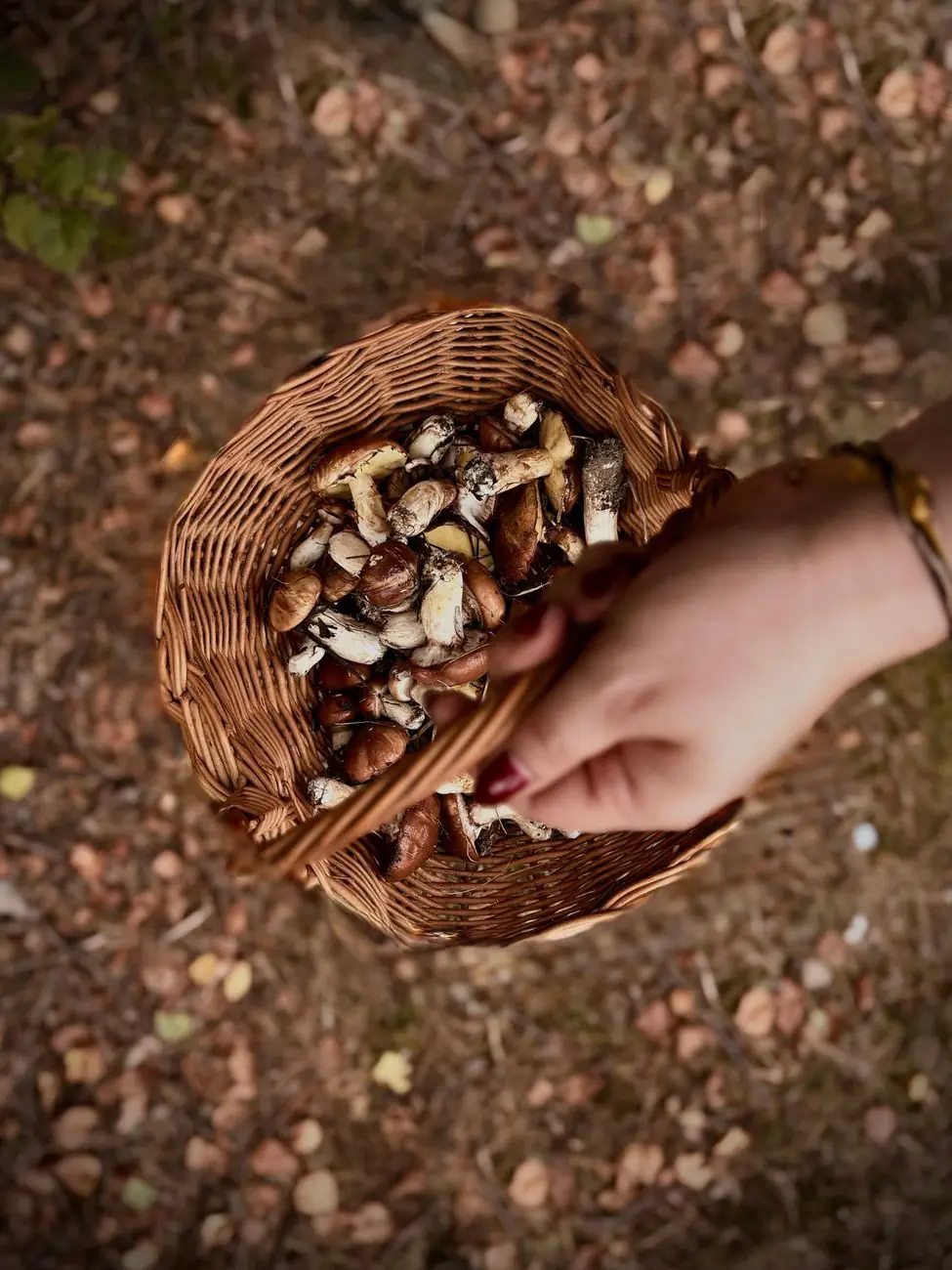
Species
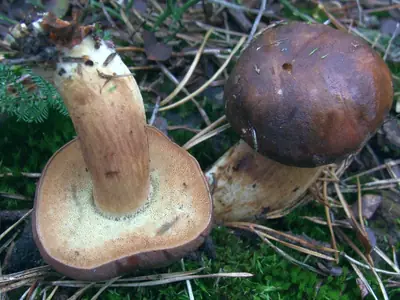 Bay boleteImleria badiaEdible
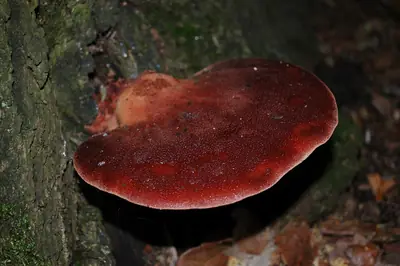 Beefsteak fungusFistulina hepaticaEdiblePartially protected
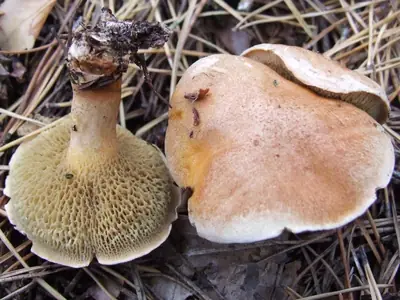 Bovine boleteSuillus bovinusEdible
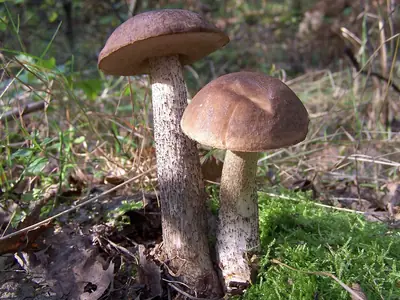 Brown birch boleteLeccinum scabrumEdible
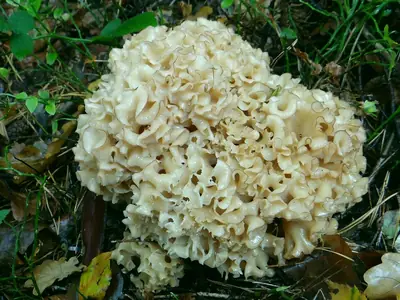 Cauliflower fungusSparassis crispaEdible
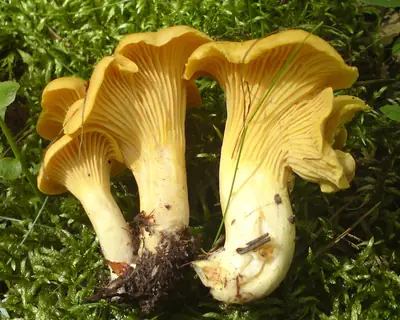 ChanterelleCantharellus cibariusEdible
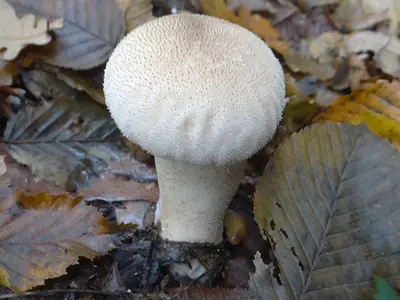 Common puffballLycoperdon perlatumEdible
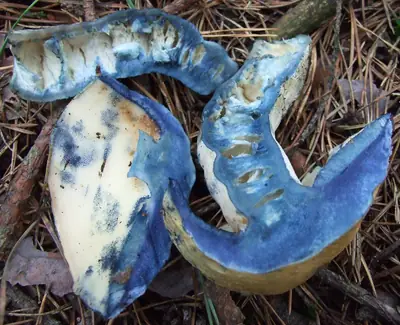 Cornflower boleteGyroporus cyanescensEdible
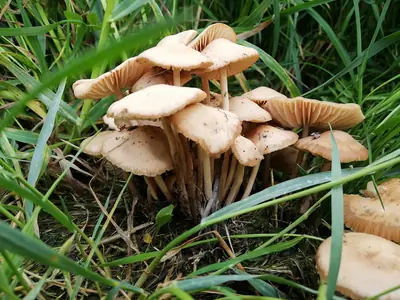 Fairy ring champignonMarasmius oreadesEdible
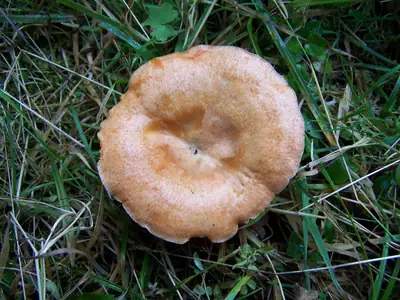 False saffron milkcapLactarius deterrimusEdible
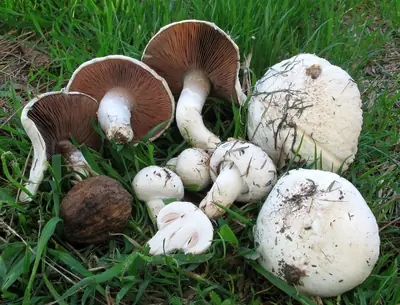 Field mushroomAgaricus campestrisEdible
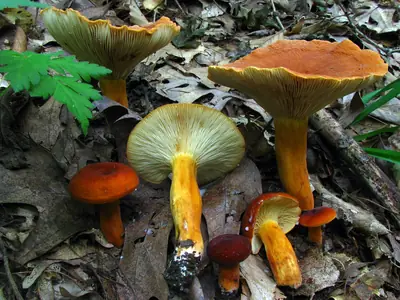 Fishy milkcapLactifluus volemusEdible
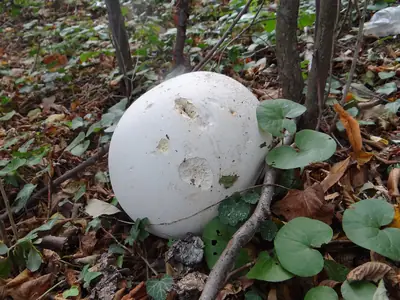 Giant puffballCalvatia giganteaEdible
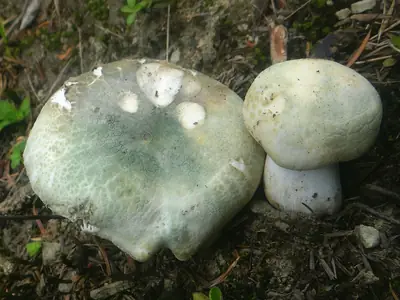 Green brittlegillRussula virescensEdible
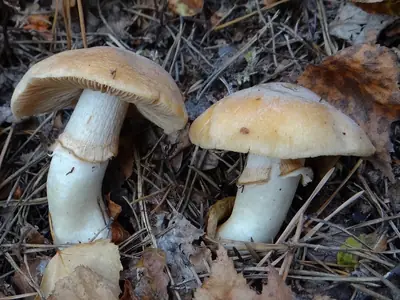 Gypsy mushroomCortinarius caperatusEdible
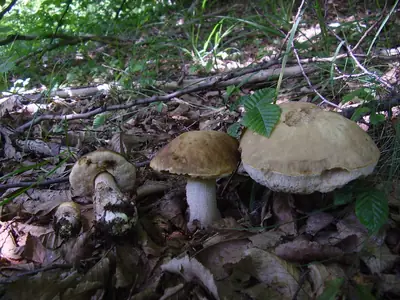 Hazel boleteLeccinellum pseudoscabrumEdible
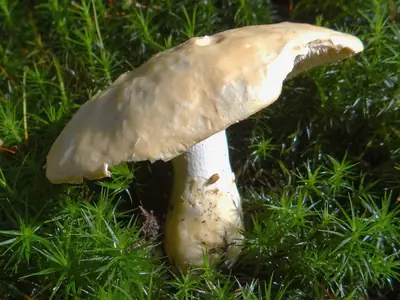 Hedgehog mushroomHydnum repandumEdible
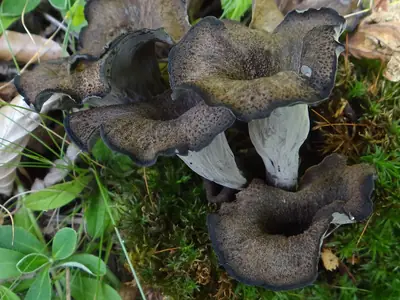 Horn of plentyCraterellus cornucopioidesEdible
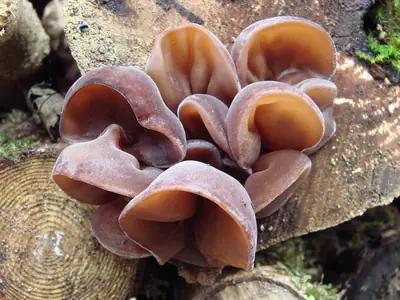 Jelly earAuricularia auricula-judaeEdible
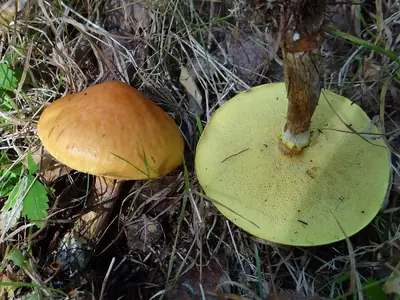 Larch boleteSuillus grevilleiEdible
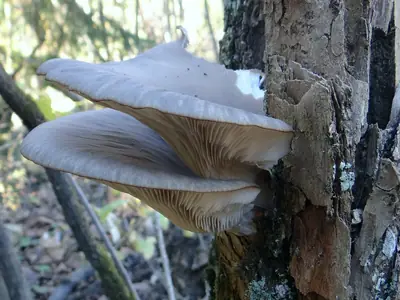 Oyster mushroomPleurotus ostreatusEdible
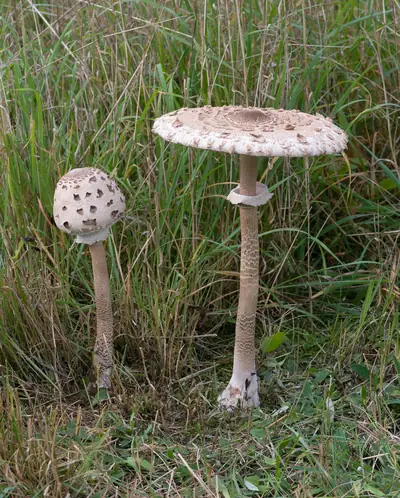 Parasol mushroomMacrolepiota proceraEdible
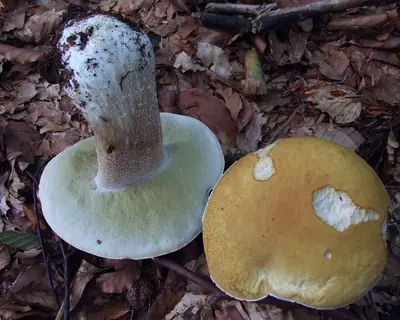 PorciniBoletus edulisEdible
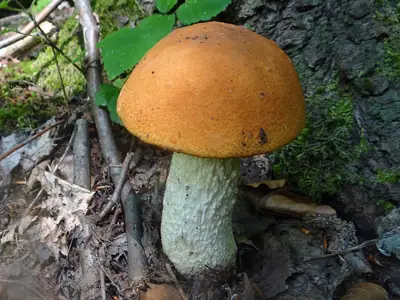 Red aspen boleteLeccinum aurantiacumEdible
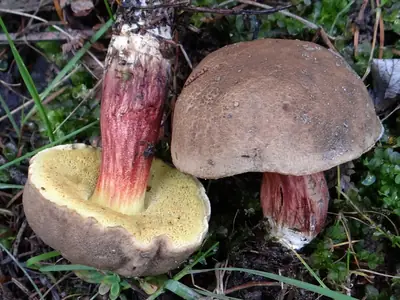 Red-cracking boleteXerocomellus chrysenteronEdible
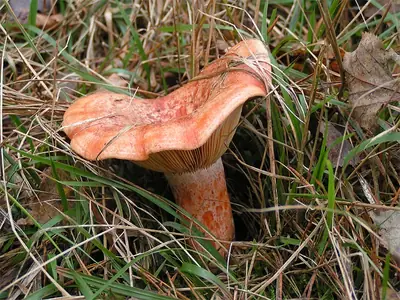 Saffron milkcapLactarius deliciosusEdible
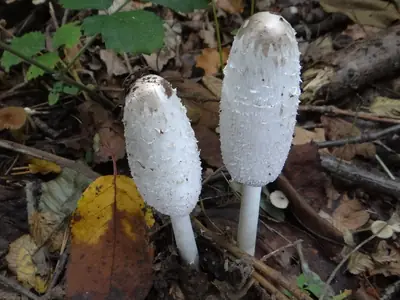 Shaggy inkcapCoprinus comatusEdible
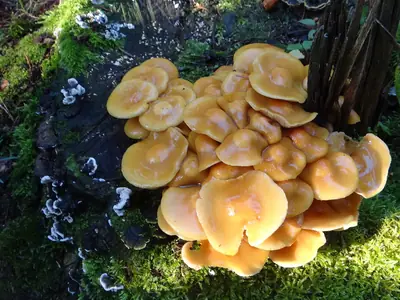 Sheathed woodtuftKuehneromyces mutabilisEdible
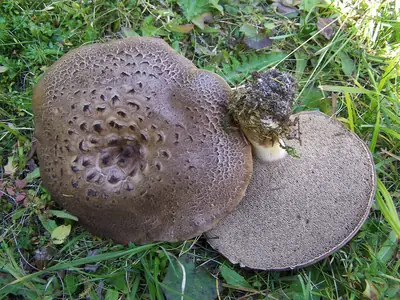 Shingled hedgehogSarcodon imbricatusEdible
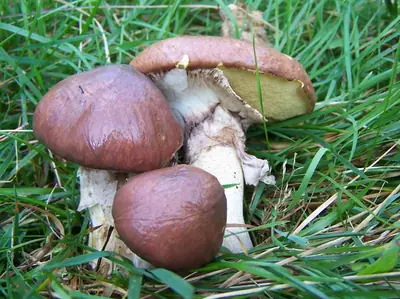 Slippery jackSuillus luteusEdible
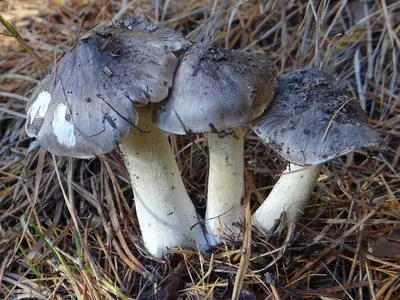 Sooty headTricholoma portentosumEdible
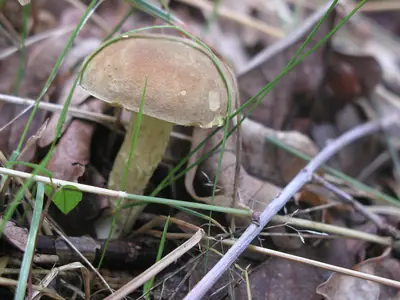 Suede boleteXerocomus subtomentosusEdible
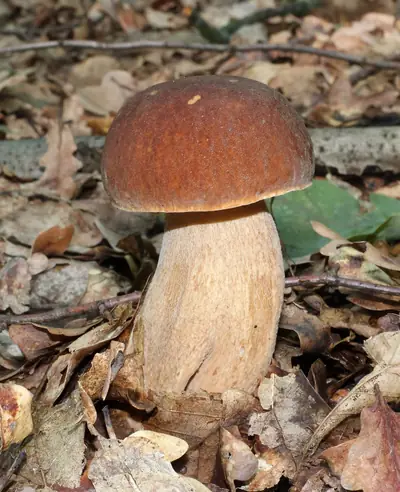 Summer cepBoletus reticulatusEdible
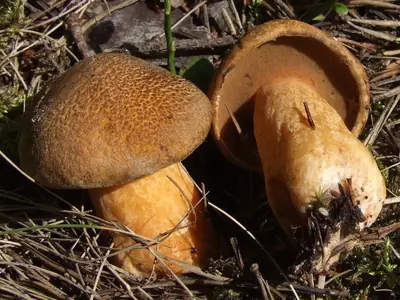 Velvet boleteSuillus variegatusEdible
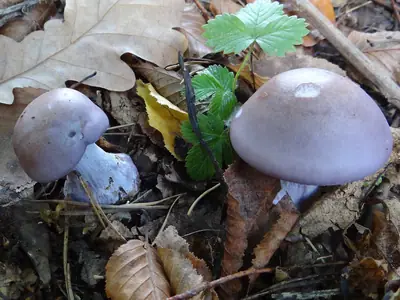 Wood blewitCollybia nudaEdible
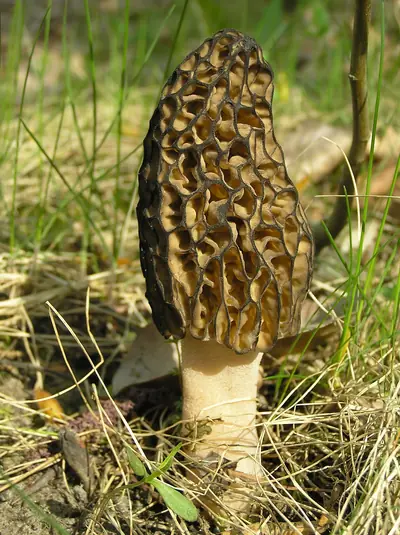 Black morelMorchella conicaEdible with carePartially protected
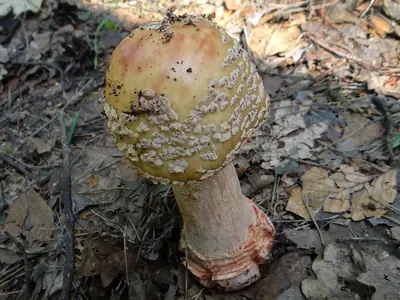 BlusherAmanita rubescensEdible with care
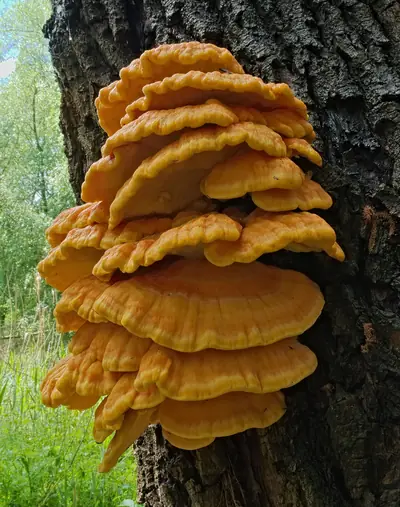 Chicken of the woodsLaetiporus sulphureusEdible with care
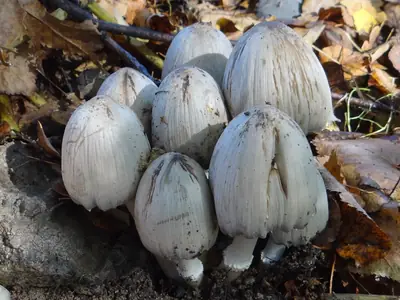 Common inkcapCoprinopsis atramentariaEdible with care
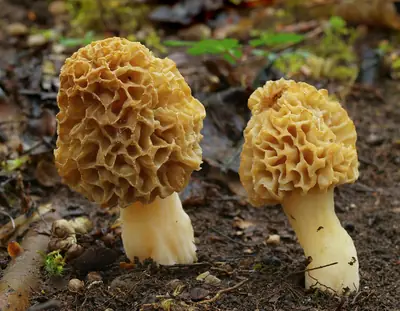 Common morelMorchella esculentaEdible with carePartially protected
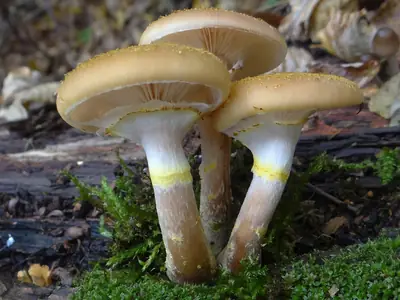 Honey fungusArmillaria melleaEdible with care
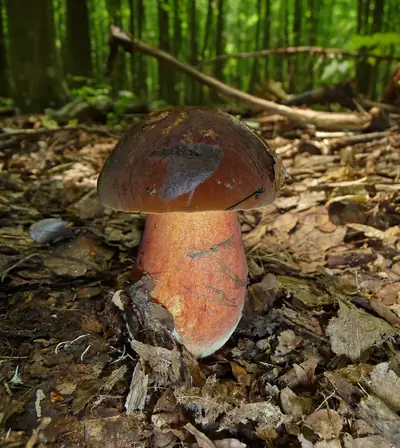 Scarletina boleteNeoboletus erythropusEdible with care
At a glance
| Species | Edibility | Season |
|---|---|---|
| Bay bolete Imleria badia | Edible | July–November |
| Beefsteak fungus Fistulina hepatica | Edible | July–October |
| Bovine bolete Suillus bovinus | Edible | June–October |
| Brown birch bolete Leccinum scabrum | Edible | June–October |
| Cauliflower fungus Sparassis crispa | Edible | July–October |
| Chanterelle Cantharellus cibarius | Edible | June–November |
| Common puffball Lycoperdon perlatum | Edible | June–December |
| Cornflower bolete Gyroporus cyanescens | Edible | July–November |
| Fairy ring champignon Marasmius oreades | Edible | May–November |
| False saffron milkcap Lactarius deterrimus | Edible | August–October |
| Field mushroom Agaricus campestris | Edible | May–October |
| Fishy milkcap Lactifluus volemus | Edible | June–October |
| Giant puffball Calvatia gigantea | Edible | July–October |
| Green brittlegill Russula virescens | Edible | July–September |
| Gypsy mushroom Cortinarius caperatus | Edible | July–October |
| Hazel bolete Leccinellum pseudoscabrum | Edible | June–October |
| Hedgehog mushroom Hydnum repandum | Edible | July–November |
| Horn of plenty Craterellus cornucopioides | Edible | August–November |
| Jelly ear Auricularia auricula-judae | Edible | January–December |
| Larch bolete Suillus grevillei | Edible | July–October |
| Oyster mushroom Pleurotus ostreatus | Edible | October–March |
| Parasol mushroom Macrolepiota procera | Edible | July–October |
| Porcini Boletus edulis | Edible | May–November |
| Red aspen bolete Leccinum aurantiacum | Edible | June–October |
| Red-cracking bolete Xerocomellus chrysenteron | Edible | June–November |
| Saffron milkcap Lactarius deliciosus | Edible | August–November |
| Shaggy inkcap Coprinus comatus | Edible | April–November |
| Sheathed woodtuft Kuehneromyces mutabilis | Edible | April–December |
| Shingled hedgehog Sarcodon imbricatus | Edible | July–October |
| Slippery jack Suillus luteus | Edible | May–November |
| Sooty head Tricholoma portentosum | Edible | October–December |
| Suede bolete Xerocomus subtomentosus | Edible | June–October |
| Summer cep Boletus reticulatus | Edible | May–October |
| Velvet bolete Suillus variegatus | Edible | July–October |
| Wood blewit Collybia nuda | Edible | September–December |
| Black morel Morchella conica | Edible with care | March–May |
| Blusher Amanita rubescens | Edible with care | June–November |
| Chicken of the woods Laetiporus sulphureus | Edible with care | April–October |
| Common inkcap Coprinopsis atramentaria | Edible with care | April–November |
| Common morel Morchella esculenta | Edible with care | April–May |
| Honey fungus Armillaria mellea | Edible with care | August–November |
| Scarletina bolete Neoboletus erythropus | Edible with care | May–October |
Safety rule
Never eat a mushroom identified only from a website, a photo or an app. Show any doubtful specimen to a certified mushroom inspector at the sanepid (state sanitary inspection); in season the advice points are free. Do not give wild-picked mushrooms to children.
The golden rules of foraging →Frequently asked questions
Which edible mushrooms are easiest to recognise?
Boletes (mushrooms with a sponge of pores under the cap), such as porcini, bay boletes, scaber stalks and slippery jacks, have few dangerous look-alikes in Poland. Most fatal mistakes involve gilled mushrooms: the death cap is taken for a yellow knight, a field mushroom or a parasol.
What does “edible with care” mean?
The mushroom is safe to eat only when certain conditions are met, for example after thorough parboiling, without alcohol, or only while young. The atlas has 7 such species; the conditions are described on each species page.
Can a mushroom from this list be sold?
Only species on the official list of mushrooms approved for sale may be sold, and only with a certificate from a mushroom classifier or certified mushroom inspector (Regulation of the Minister of Health of 17 May 2011).