Boletes (pores under the cap)
Bitter bolete
Tylopilus felleus · also known as: Bitter tylopilus
Inedible
Inedible because of its extremely bitter taste, which does not disappear with cooking or drying – a single fruit body ruins the whole dish. Polish Wikipedia describes it as “even slightly poisonous”, grzyby.pl as inedible, not poisonous. Some people (a genetic trait) cannot taste the bitterness, which encourages mistakes.
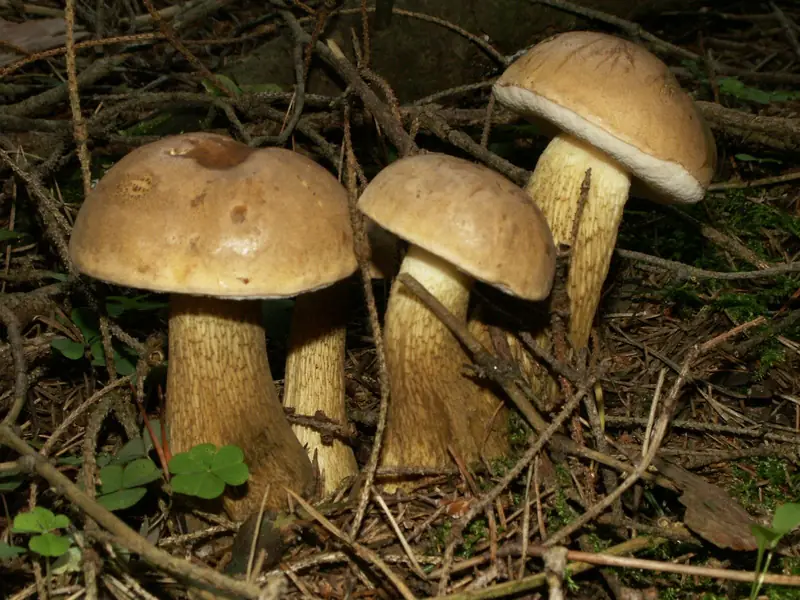
How to recognise it: bitter bolete
- 1
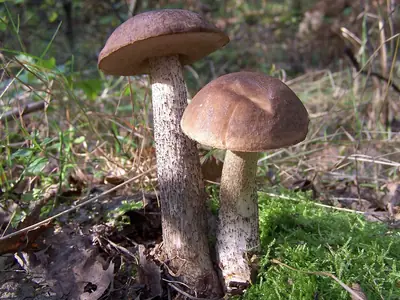
Dark, coarse network on a paler stem
- 2
Pores turn pink with age
- 3
Extremely bitter taste
- 4
Pink spore print
Description
- Cap
- 5–15 cm across, light brown, buff, grey-brown; surface matt, suede-like.
- Tubes and pores
- Pores and tubes white when young, then flesh-pink, dirty wine-coloured when damaged. Spore print pink – the only one like this among European boletes.
- Stem
- Paler than the cap, olive-yellow to olive-brown, covered with a distinct, DARK, coarse, wide-meshed network.
- Flesh
- White, does not change colour when cut.
- Smell and taste
- Smell pleasant, taste extremely bitter (like bile).
Where and when it grows
Mainly coniferous forests, less often broadleaf, on acidic soils; sometimes on rotting stumps.
Most often with: pine, spruce, oak, beech
Look-alikes: what it can be mistaken for
Porcini Edible medium risk
The porcini has a pale, fine network mainly at the top of the stem, pores white → yellow-green and a mild taste.
Bay bolete Edible medium risk
The bay bolete has no network, its pores are yellowish and turn slightly blue, its taste is mild.
Summer cep Edible medium risk
The summer cep has a network paler than the stem background and pores that stay yellowish to olive.
Brown birch bolete Edible low risk
The brown birch bolete has black scales (scabers) on the stem, not a network, and always grows under birch.
Devil's bolete Poisonous low risk
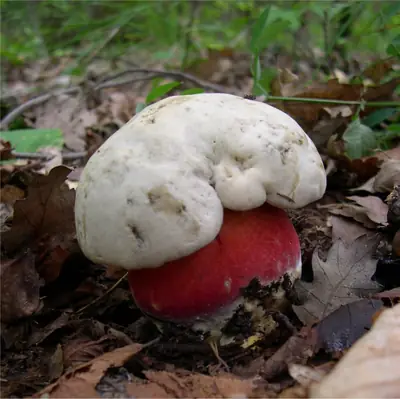
The colloquial Polish name “szatan” (“satan”) most often means the bitter bolete – a completely different mushroom: brown cap, pinkish pores, dark network and a very bitter taste, with no red.
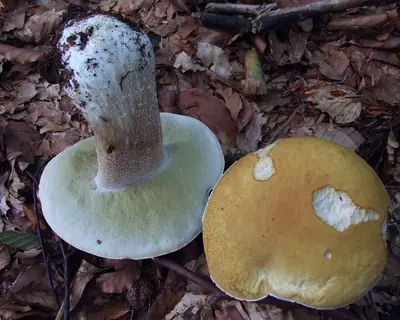
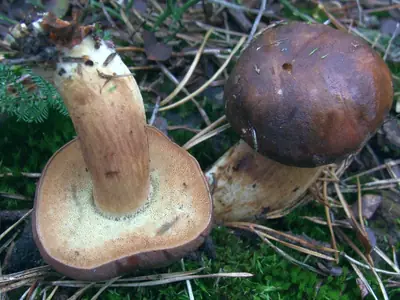
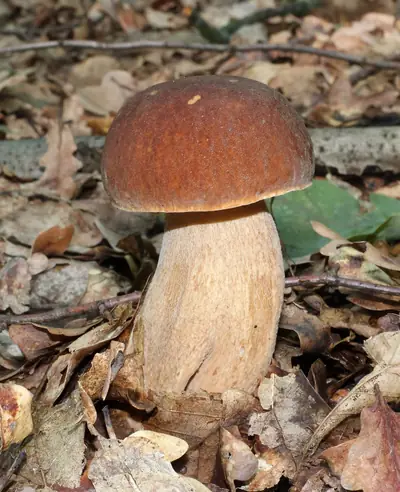
Foragers’ finds
All photosPhotos and identifications are added by users; we do not check them. Add your own find →
Watch out for toxins
Bitter compounds; no confirmed potent toxin. It was formerly reported to cause gastrointestinal upset.
Protection and sale
- Species protection: the species is not protected.
- Sale: the species is not on the list of mushrooms approved for sale.
Bitter bolete: common questions
Is the bitter bolete edible?
Inedible. Inedible because of its extremely bitter taste, which does not disappear with cooking or drying – a single fruit body ruins the whole dish. Polish Wikipedia describes it as “even slightly poisonous”, grzyby.pl as inedible, not poisonous. Some people (a genetic trait) cannot taste the bitterness, which encourages mistakes.
When does the bitter bolete grow?
In Poland the fruiting bodies usually appear in: June, July, August, September, October. Habitat: Mainly coniferous forests, less often broadleaf, on acidic soils; sometimes on rotting stumps.
What can the bitter bolete be mistaken for?
Porcini (edible): The porcini has a pale, fine network mainly at the top of the stem, pores white → yellow-green and a mild taste. Bay bolete (edible): The bay bolete has no network, its pores are yellowish and turn slightly blue, its taste is mild. Summer cep (edible): The summer cep has a network paler than the stem background and pores that stay yellowish to olive. Brown birch bolete (edible): The brown birch bolete has black scales (scabers) on the stem, not a network, and always grows under birch. Devil's bolete (poisonous): The colloquial Polish name “szatan” (“satan”) most often means the bitter bolete – a completely different mushroom: brown cap, pinkish pores, dark network and a very bitter taste, with no red.
Sources
- Wikipedia (pl): Goryczak żółciowy
- Atlas grzybów Polski – grzyby.pl (M. Snowarski)
- First Nature – fungi
Last checked: 9 November 2026. Spotted a mistake? Write to us.